Views: 720
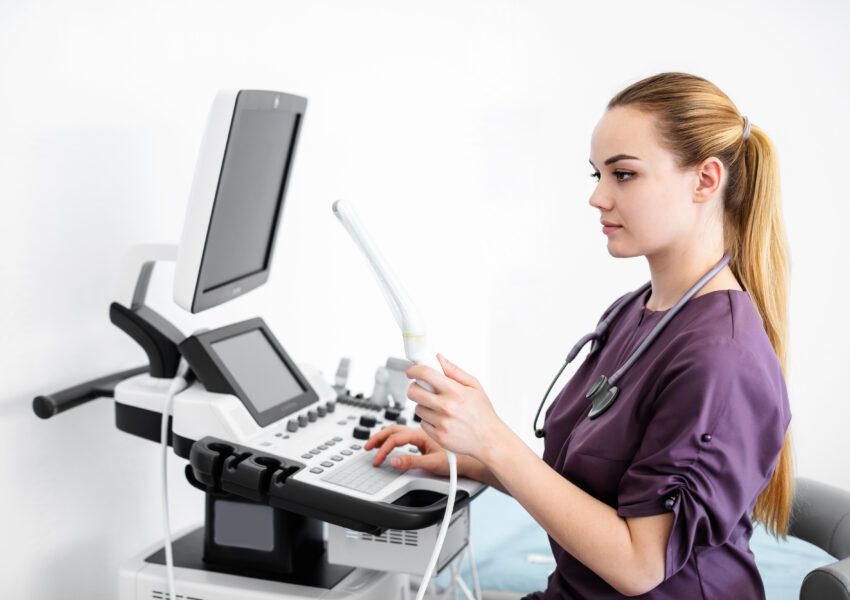
Ultrasound is an indispensable tool in modern disease diagnosis because of the high level of accuracy it provides, as well as its non-invasive nature, which makes patients more willing to undergo the procedure. From pregnancy monitoring to understanding cardiovascular disorders, ultrasound plays a crucial role in the field of medicine. Given its popularity and precision, doctors today increasingly need to be well-versed in ultrasound practices to gain an upper hand in their respective fields.
Applications of Ultrasound in Various Specialities
Ultrasound is widely used across various specialties, either as the primary evaluation method or for in-depth understanding of a patient’s condition. Here is a concise list of ultrasound applications across various specialties in modern medicine:
Obstetrics and Gynecology: Ultrasound is most popular among patients seeking medical guidance related to obstetrics and gynecology. This is because it serves as a reliable method for understanding fetal conditions inside the womb and detecting any abnormalities. It is also widely used for diagnosing malignant conditions related to gynecology and women’s health, including ovarian cysts, fibroids, and similar issues.
Gastroenterology: Another field of medicine in which ultrasound is a popular diagnostic tool is Gastroenterology, where ultrasound aids in the diagnosis and monitoring of a wide range of abdominal and digestive system conditions. It is commonly used to understand the conditions of organs such as the liver, gallbladder, pancreas, kidneys, intestines,etc.
Cardiology: In cardiology, ultrasound is used to assess the structure and function of the heart, and to diagnose cardiovascular conditions. It also enables real-time visualization of blood flow and heart muscle movements.
Muskuloskeletal Ultrasound: Ultrasound is particularly useful in this field for gaining a detailed understanding of injuries or trauma affecting muscles, tendons, ligaments, and joints. It helps identify issues such as tendonitis, rotator cuff tears, and joint effusions.
The applications of ultrasound are not limited to these fields. It is also useful in assessing conditions affecting various parts of the human body. Let’s explore why this technique is so widely utilized in the medical field.
Why is Ultrasound so clinically relevant?
Ultrasound, being a non-invasive diagnostic method that utilises sound waves, is safe for repeated use even in pregnant women and children. With its real-time assessment capabilities, ultrasound becomes a valuable tool for doctors to quickly understand a patient’s condition, including tracking dynamic activities such as fetal movements and blood flow. It is also accurate and more affordable, making it a fast and practical choice for clinical use.
If you’re looking to deepen your knowledge in OBGYN ultrasound or abdominal and pelvic ultrasound, StudyULTRASOUND offers the most comprehensive ultrasound courses designed just for you.
Log in to StudyMEDIC LMS 3.0 today to explore free ultrasound learning resources and upgrade your skills with expert-designed premium courses.
Connect with our team today to learn more about our courses.
Authored By: Pooja Premraj
By : Admin